2026 Sustainable Dresses Trends: Fabrics, Colors, And Silhouettes To Watch
Are you tired of the endless search for eco-friendly clothing that actually looks good? It is incredibly frustrating when style is sacrificed for the planet. Fortunately, finding perfect sustainable dresses does not have to be a compromise. Read the essential tips below to upgrade your wardrobe.
2026 Overview: The Evolution Of Eco-Conscious Everyday Dresses
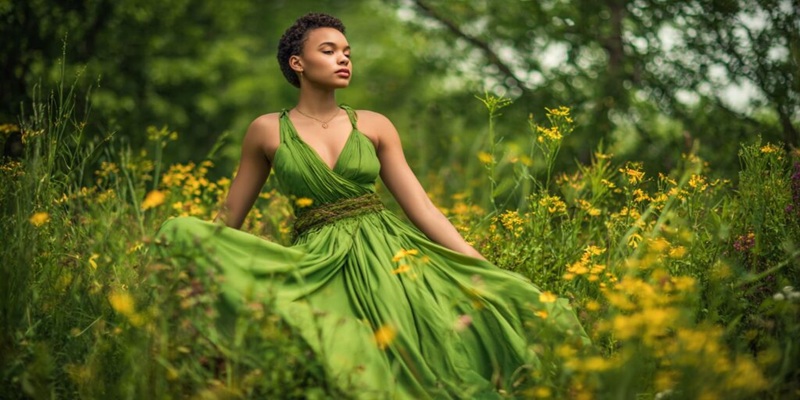
The landscape of sustainable fashion has shifted significantly in 2026. We have moved past the era of stiff, boxy garments that sacrificed style for ethics. Today, everyday apparel represents a seamless fusion of high-end tailoring and uncompromising comfort.
Prioritizing Movement: Modern designers now focus on how a garment drapes and moves with the wearer. This ensures you no longer have to choose between environmental responsibility and looking chic.
Manufacturing Innovation: Thanks to new production techniques, this year's collections feature fluid lines and versatile, fitted shapes. These pieces are engineered for the realities of daily life—transitioning easily from a high-stakes boardroom presentation to a relaxed weekend brunch.
Wearability over Marketing: The industry has moved away from "greenwashing" aesthetics. The focus is now on creating stylish, durable items that people genuinely want to wear repeatedly, rather than pieces designed only to look good in advertisements.
Top Fabric Choices: Prioritizing Tactile Quality And Sustainability
The EPA reports that millions of tons of textile waste are sent to landfills each year. You can combat this by shifting away from "disposable" fashion and investing in high-quality, natural fibers. Choosing the right fabric ensures your wardrobe is long-lasting, comfortable, and environmentally responsible.
1. Organic Cotton: The Daily Essential
Organic cotton is superior to conventional cotton because it is free of harsh chemical residues that can cause skin irritation or fabric stiffness.
The Feel: Impossibly soft and lightweight. It provides an airy, breathable sensation that is ideal for high temperatures.
Best For: Heavyweight organic cotton is perfect for indoor office environments where air conditioning can be chilly, while lighter weights are excellent for summer daywear.
Practical Benefit: Unlike synthetic blends, pure organic cotton softens even more with each wash cycle.
2. Pure Linen: The Heat-Wave Hero
While synthetic fabrics like polyester trap sweat and cling to the skin, pure linen has a porous structure that allows for continuous airflow.
The Feel: Crisp and uniquely textured. It rests gently on the shoulders without clinging to the body.
Best For: Outdoor summer events and high-humidity environments.
Practical Benefit: Linen is naturally moisture-wicking, keeping you dry and invigorated even when city pavements radiate intense heat.
3. Selection & Care Techniques
To ensure your investment lasts for years, use these practical evaluation steps:
How to Read Labels
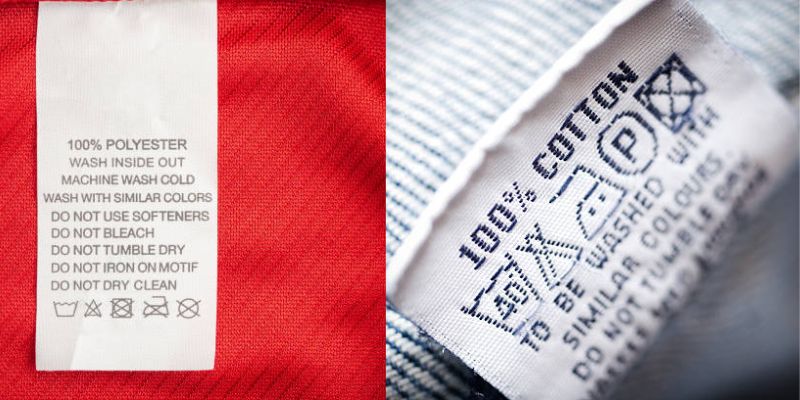
Check for Blends: Avoid mixing natural fibers with cheap elastane or polyester. These blends are harder to recycle and lose their softness much faster than 100% natural versions.
The "Slickness" Test: If a garment feels slick, plastic-like, or overly rigid, it likely contains high synthetic content. Stick to fabrics that feel "matte" and earthy to the touch.
Maintenance Best Practices
Washing: Use cold water and a mild detergent to prevent fiber breakdown.
Drying: Always air-dry on a line. This preserves the fabric's natural drape and prevents structural damage from high-heat dryers.
Storage: Hang linen to minimize deep creasing, but fold heavy cotton knits to prevent them from stretching out of shape.
By mastering these fabric choices, you establish a high-quality physical foundation for your wardrobe.
Popular Colors And Silhouettes To Buy Now
When investing in sustainable dresses for your everyday rotation, the goal is to find pieces that balance comfort with professional structure. In 2026, the trend has moved away from shapeless "eco-wear" toward silhouettes that accommodate the body's natural movement.
1. Essential Silhouettes for Versatility
Modern sustainable design focuses on shapes that are both flattering and functional.
The A-Line Silhouette
Best For: Universal flattery and high-mobility days.
Utility: The flared skirt allows for unrestricted walking, ideal for running errands or active commutes.
The Classic Wrap Dress
Best For: Adapting to body fluctuations.
Utility: The adjustable waist allows you to customize the fit daily, maintaining a polished profile regardless of bloating or comfort needs.
The Belted Shirt Dress
Best For: Professional environments.
Utility: Offers a structured, authoritative look suitable for the office while utilizing breathable natural fibers.
2. The 2026 Color Palette: Botanical Roots
Sustainability in 2026 extends to the dyes. Choosing garments colored with botanical or natural dyes reduces chemical runoff and ensures the tones remain timeless.
Deep Indigo: A classic alternative to black or navy that pairs well with denim and white.
Warm Terracotta: A sophisticated earth tone that masks minor wear and adds warmth to a professional look.
Muted Sage Green: A versatile neutral that coordinates effortlessly with existing wardrobe basics.
3. Choosing Based on Your Daily Itinerary
To get the most value out of your purchase, match the dress structure to your specific activity level:
Activity |
Recommended Silhouette |
Key Features |
Running Errands / Transit |
Loose-fitting Midi |
Drop-waist for airflow; Deep pockets for utility. |
Office / Meetings |
Structured Wrap or Shirt Dress |
Solid colors (Terracotta/Indigo) for a sharp edge. |
Weekend Brunch / Social |
Relaxed A-Line |
Fluid movement; soft botanical prints. |
4. Practical Selection & Fitting Techniques
A dress is only sustainable if you actually wear it. Use these physical tests in the fitting room to ensure long-term comfort:
The Sitting Test: Sit down in a chair to ensure the fabric doesn't pull uncomfortably across the hips or thighs.
The Mobility Test: Stretch your arms above your head and walk briskly. Observe if the seams stay flat or if the fabric "bunches" at the shoulders.
Sensory Check: Ensure the natural fibers feel soft against the skin and that there is no "scratchiness" from labels or internal stitching.
Pro Tip: Focus on natural fibers like hemp blends or organic cotton for these silhouettes. Once you find a shape that moves with your body rather than against it, you have a versatile staple that transitions easily through the seasons.
Seasonal Styling: Maximizing Your Sustainable Dress Investment
A truly sustainable wardrobe relies on year-round versatility. By using your dress as a foundational "blank canvas," you can adapt to shifting weather through deliberate layering and accessorizing.
1. Summer Styling: Prioritizing Airflow
In high-heat conditions, styling should focus on breathability and UV protection.
The Formula: Breathable Dress + Woven Sandals + Wide-Brim Hat.
Accessories: Keep jewelry minimal (e.g., a single recycled-gold pendant) to avoid skin irritation from heat and sweat.
Selection Tip: Choose light colors like sage green or cream to reflect sunlight rather than absorbing it.
2. Autumn/Winter Styling: Structural Layering
When temperatures drop, transform lightweight staples into warm, insulated outfits.
The Formula: Dress + Chunky Wool Cardigan + Knee-High Leather Boots.
The Silhouette Hack: Use a wide leather belt over your cardigan or sweater. This defines the waist and prevents the extra fabric from looking bulky.
Practical Recommendation: Swap sandals for sustainably sourced leather boots to ground the look and provide essential leg insulation.
3. Expert Tips for Intentional Shopping
Fabric Weight: When buying, choose medium-weight natural fibers. These are light enough for summer airflow but sturdy enough to be layered under heavy knits in winter.
Color Strategy: Stick to neutral or earthy foundations (Terracotta, Indigo, Sage). These tones transition more naturally between seasons than bright neon or holiday-specific prints.
The "Three-Outfit" Rule: Before purchasing a dress, ensure you can mentally style it for three different weather scenarios using items you already own. If it only works for one season, it is not a sustainable investment.
Summary: Versatility begins with smart shopping. By selecting high-quality, adaptable foundations, you ensure your eco-friendly pieces remain functional and stylish year-round.
Buying Guide: Brands To Try And Red Flags To Avoid
Shopping for eco-conscious clothing requires a critical eye. To build a high-quality, sustainable wardrobe, you must look beyond marketing buzzwords and focus on technical proof and construction quality.
1. Check for Trusted Certifications
Always read the garment label and look for recognized certifications such as GOTS (Global Organic Textile Standard), OEKO-TEX, or Fair Trade. These standards ensure the product meets strict environmental and ethical requirements.
2. Verify Brand Claims
If a brand makes sustainability claims, cross-check them against reliable guidelines, such as the FTC Green Guides.
Brands that prioritize transparency, such as openly sharing supply chains, repair programs, or carbon footprints, are generally more trustworthy than those relying on marketing buzzwords.
Brands like Patagonia, Eileen Fisher, Stella McCartney, and Reformation set the benchmark by openly sharing supply chain details, offering repair or resale programs, and publishing their environmental impact data.
Red Flag: If a brand refuses to disclose its factory locations or cannot explain its recycling process, it is likely greenwashing.
3. Inspect Garment Quality
A sustainable piece should also be durable. Before buying, do a quick quality check:
Seams: Gently pull the seams—if you see gaps or loose stitching, it won't last.
Fabric: Choose simple, monomaterial fabrics like 100% organic cotton, which are easier to recycle.
Hardware: Look for sturdy details, like metal zippers or natural buttons, rather than cheap plastic.
A good rule: sustainability isn't just about how a garment is made—it's also about how long it lasts.
Your Next Wardrobe Steps
The most sustainable dress you can own is one that already hangs in your closet. Shop your own wardrobe first. If you truly need something new, invest in one high-quality, ethically made piece rather than a handful of fast-fashion compromises. By choosing wisely and caring for what you own, you aren't just building a better closet—you're supporting a more responsible future for fashion.
References
Related Posts

Pack Light, Leave a Lighter Footprint: The Best Sustainable Luggage
10 Eco Friendly Fashion Apps That Make Sustainable Style Easier
Polyester vs Cotton: Which Is More Sustainable?
The Truth About Recycled Handbags: Sustainable Choice Or Greenwashing?
Textile Recycling: What’s Recyclable, Where To Take It, And What Happens Next